

Georgia Residents Outraged as Data Center Drains Millions of Gallons During Drought |
Georgia residents raise concerns over data center water use during drought conditions |
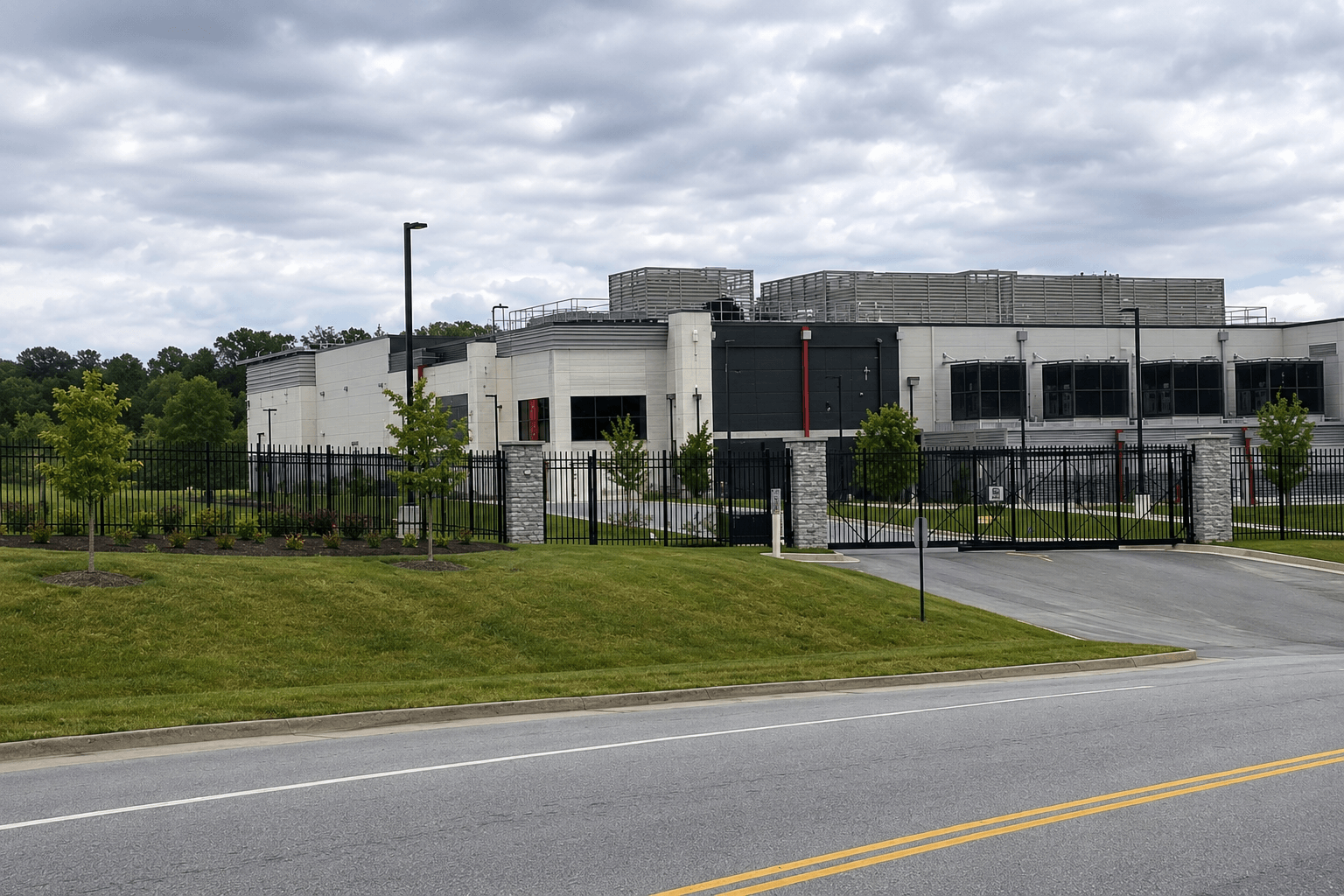
As Georgia’s technology footprint grows, so do concerns about the hidden costs large-scale data centers can place on local communities.
Recent reports out of Fayetteville, Georgia, have sparked public outrage after Quality Technology Services (QTS), a major data center developer, was found to have used nearly 30 million gallons of water during construction while parts of the state faced drought restrictions. Residents reported low water pressure, while investigations revealed unauthorized water hookups and unpaid utility charges totaling roughly $150,000 before the company later reimbursed the county.
While data centers bring jobs, tax revenue, and economic development, critics say communities often bear significant environmental and infrastructure burdens. Massive facilities require enormous amounts of water for cooling systems, construction, and landscaping, placing additional strain on local water supplies, especially in drought-prone regions like Georgia.
Beyond water consumption, data centers can also increase energy demand, pressure electrical grids, raise utility costs, and contribute to noise pollution and land-use concerns for nearby neighborhoods. Experts warn that without stronger regulations and transparency; rapid development may outpace a community’s ability to protect its natural resources.
The controversy surrounding QTS extends beyond Georgia. The company’s proposed Iowa project is also drawing scrutiny, with opponents citing a pattern of regulatory concerns and questioning whether adequate safeguards are in place before expansion continues.
For growing communities across Georgia and beyond, the issue highlights a larger challenge: balancing economic opportunity with sustainable planning. As AI and cloud computing fuel demand more data centers, local governments may increasingly face difficult decisions about zoning, water rights, infrastructure investments, and environmental protections.
The lesson is clear, while data centers may power the digital future, communities must ensure that growth doesn’t come at the expense of essential resources like water, energy, and quality of life. |
0 Comments
Join the conversation
Be the first to comment
Share your thoughts above.